 1300 664 485
Travelling in Western Australia's Outback in a Motorhome: Everything You Need to Know
Western Australia's Outback offers some of Australia's most breathtaking scenery… think ancient gorges, red desert landscapes, remote coastal towns and endless open roads. Travelling by motorhome is one of the best ways to experience this unique region, giving you the freedom to explore at your own pace.
Before setting off, it's important to understand what makes Outback travel different. Long distances, limited services, unsealed roads, and wildlife all require a little extra planning. In this guide, we'll share everything you need to know to enjoy a safe, comfortable, and unforgettable motorhome adventure through Western Australia's Outback.
1. The Outback is Bigger Than You Think
One of the first things travellers notice about Western Australia is its sheer size. Distances between destinations are much greater than many visitors expect, and even a short detour can add hours to your journey. For example, Perth to Kalgoorlie is around 600 km, while Perth to Exmouth is over 1,200 km.
Rather than trying to cover as much ground as possible, plan realistic driving days and allow plenty of time for sightseeing, rest breaks, and unexpected stops. Travelling at a relaxed pace will make your Outback adventure far more enjoyable.
👉 Check out our tailored itineraries with real distances and driving time!

Image: Always check the distances before leaving
2. Fuel Stops Can Be Far Apart
In remote parts of Western Australia, fuel stations can be hundreds of kilometres apart. It's a good habit to top up your tank whenever fuel is available, rather than waiting until you're running low. Keep in mind that fuel prices are often higher in remote towns, so it's worth including this in your travel budget.
It's also a good idea to carry plenty of drinking water and a few snacks, especially on longer driving days where services may be limited.
👉 Find the cheapest fuel in Australia with those free apps!
3. Mobile Reception is Limited
While you'll have good mobile coverage in larger towns, reception can quickly disappear once you head into remote areas. Before leaving, download offline maps so you can continue navigating without an internet connection.
If you're travelling through particularly remote regions, let someone know your planned route and expected arrival times. Being prepared will give you greater peace of mind throughout your journey.
👉 The Best Travel Apps for Your Australian Motorhome Road Trip
4. Avoid Driving at Night
One of the most important safety tips for travelling in the Outback is to avoid driving after dark. Wildlife such as kangaroos, emus and even cattle are much more active around dawn, dusk, and throughout the night, increasing the risk of collisions (trust us – they happen a lot!).
Driving during daylight hours also makes it easier to spot road hazards, enjoy the scenery, and arrive at your destination before sunset. Whenever possible, plan your day so you're safely parked up well before nightfall.
👉 Read more about Dangers of Nighttime Driving in Australia!
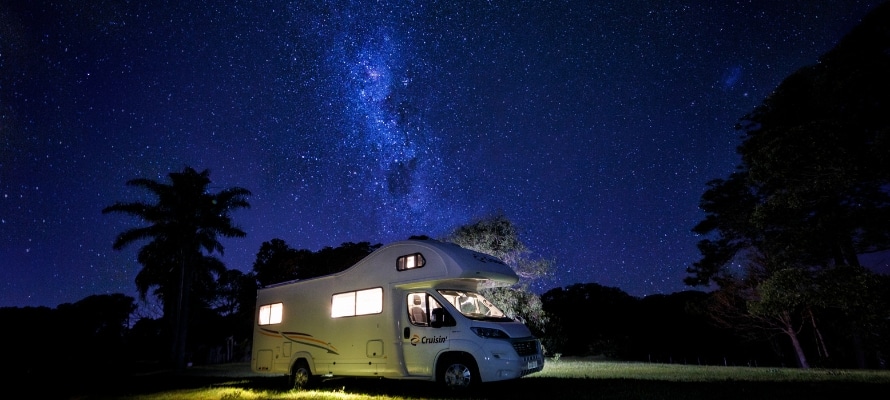
Image: Keep wildlife safe while enjoying the Australian night sky
5. Stay on Sealed Roads and Plan Ahead
Western Australia has an extensive network of sealed highways connecting many of its most popular Outback destinations, making them ideal for exploring by motorhome. However, many remote tracks, lookouts and station roads are unsealed, with gravel, sand or corrugated surfaces that are not suitable for rental motorhomes.
Before you leave each destination, check your planned route and make sure it remains on sealed roads. Even if a GPS suggests a shortcut, it may include unsealed sections. Taking a little extra time to plan your journey will help ensure a safe and stress-free adventure.
👉 What’s the Difference between Sealed and Unsealed roads?
6. Be Prepared for the Weather
Weather conditions can vary dramatically across Western Australia. Summer temperatures in the Outback regularly exceed 40°C, while heavy rain in the north during the wet season can cause temporary road closures and flooding.
Check the weather forecast before you travel each day, stay hydrated, and allow extra time if conditions change. Being flexible with your itinerary will help keep your trip both safe and enjoyable.
👉 Understand Australia’s Seasons to plan your road trip!
7. Road Trains
Road trains are a common sight throughout Western Australia's Outback and can be significantly longer than standard trucks. If you're driving behind one, keep a safe following distance, and if you need to overtake, only do so when you have plenty of clear visibility and space.
When a road train is approaching from the opposite direction, reduce your speed slightly and be prepared for a strong gust of wind as it passes.
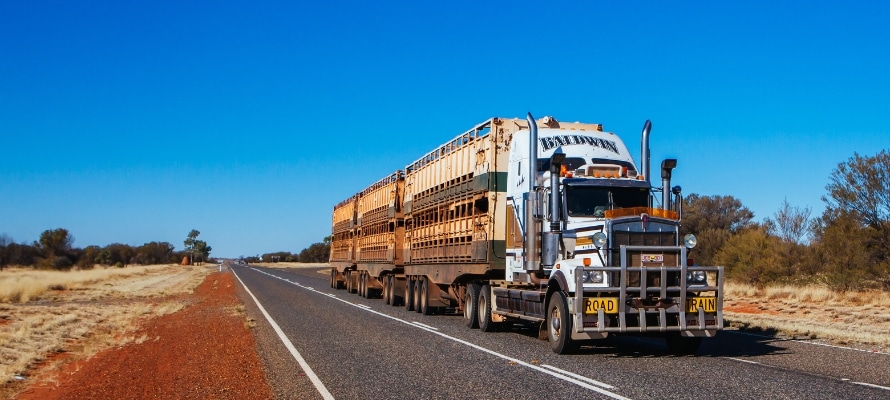
Image: Road trains are frequent in the outback!
8. Be Ready for the Unexpected
Travelling through remote areas means help may not always be close by, so a little preparation goes a long way. Before each day's drive, make sure your phone is fully charged (or change while driving), your fuel tank is topped up, and you have plenty of drinking water & food on board.
All Cruisin' motorhomes include 24/7 Roadside Assistance for added peace of mind. However, in remote parts of Western Australia, assistance may need to travel long distances to reach you, so response times can be longer than in metropolitan areas. Let someone know your planned route where possible and allow extra time if you're travelling through isolated regions.
9. Frequently Asked Questions
Q: Are there sealed roads through the WA Outback?
A: Yes. Most of Western Australia's major Outback destinations are connected by sealed highways, making them accessible by motorhome. However, some remote attractions and campgrounds are only reached via unsealed roads, so always plan your route in advance and stay on sealed roads when travelling in a rental motorhome.
Q: What should I do if I hit a kangaroo?
A: If you hit a kangaroo or any other large animal, pull over as soon as it is safe to do so and inspect your motorhome, even if you can't see any obvious damage. Impacts can cause hidden damage to the radiator, tyres, lights, or underbody.
Do not continue driving. Contact our 24/7 Roadside Assistance immediately and follow the instructions provided. We'll help assess the situation and advise you on the safest next steps before you continue your journey.
Q: Can I drive on gravel roads in a rental motorhome?
A: No. Cruisin' motorhomes are not permitted on unsealed roads, including gravel, dirt and sandy tracks. These roads can be rough, unpredictable and may cause damage to the vehicle.
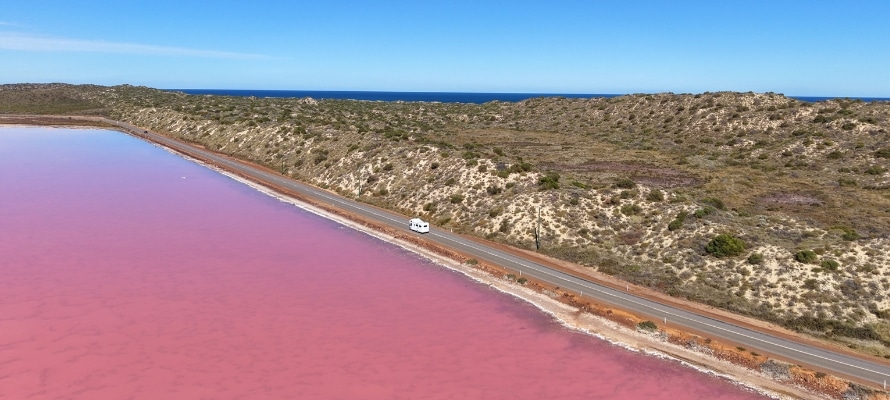
Image: Explore Western Australia safely with Cruisin’
Start Planning Your Road Trip!
Hire a self-contained motorhome from Cruisin’ Motorhomes and turn your holiday into the ultimate road trip in Western Australia.
Call our friendly reservations team on 1300 664 485 or check out our website to see the motorhomes we have available at our branches!
✨ Need inspiration? Check out our detailed itineraries and our blog articles for our latest motorhome tips!
Follow us for daily travel inspiration! Don’t hesitate to share your Cruisin’ Motorhomes adventure with us with the #cruisinmoments!
Related Locations

5 Kingscote St, Kewdale WA 6105, Australia
